Gold Ridge Environmental and Social Baseline Study
Ecological Solutions Solomon Islands (ESSI) was contracted by the Central Guadalcanal Constituency to undertake an integrated social and environmental assessment of the Gold Ridge Mine on Guadalcanal. The work combined a community-based social baseline survey with a detailed physical environmental investigation of the Metapona River catchment system, providing both human and ecological evidence to inform constituency and national decision-making.
The social baseline study, completed in December 2025, examined community perceptions of mining impacts among residents living within the mine tenement and downstream communities. Field surveys were conducted between 21–29 July using structured questionnaires administered by trained enumerators working alongside customary landowners. Findings revealed widespread dissatisfaction with current mining operations, low awareness of mining agreements, perceptions of poor regulatory compliance, reported harassment and weak grievance mechanisms, and strong concern over health impacts linked to contaminated water and environmental degradation.
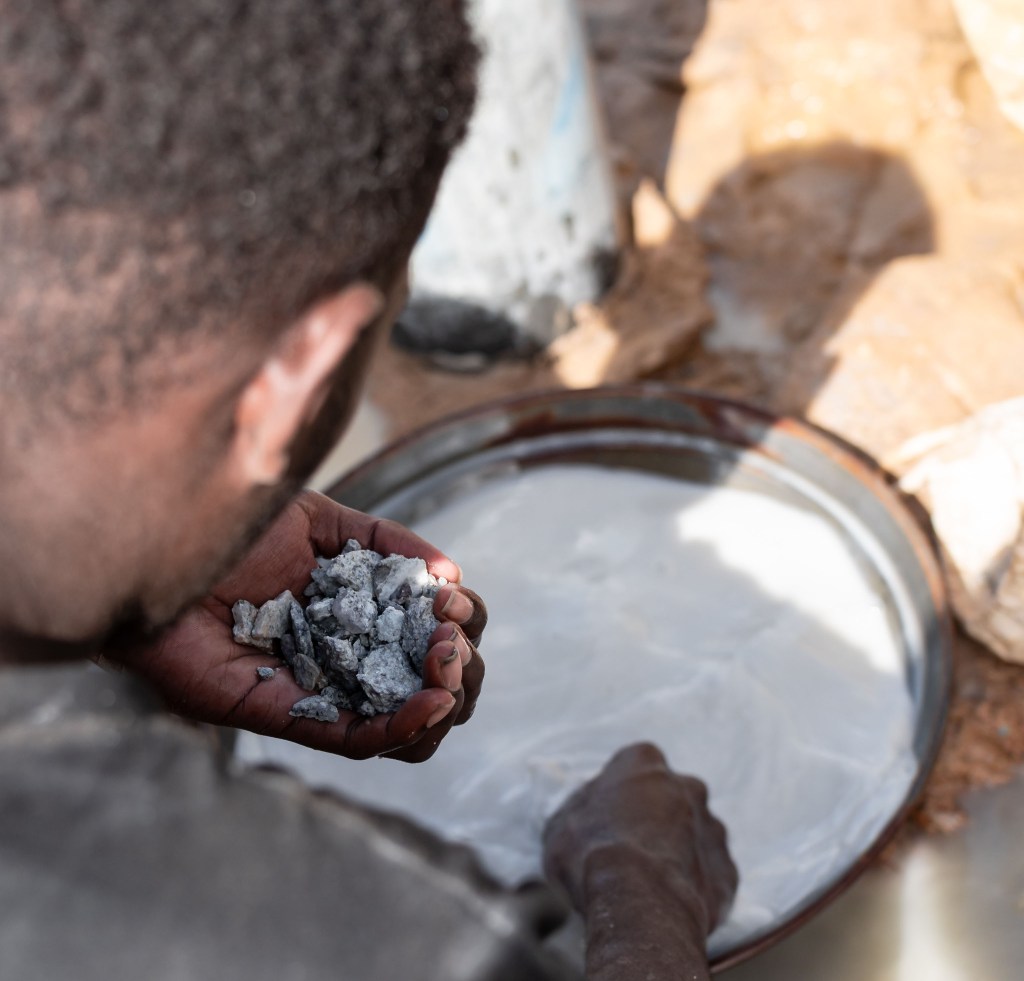
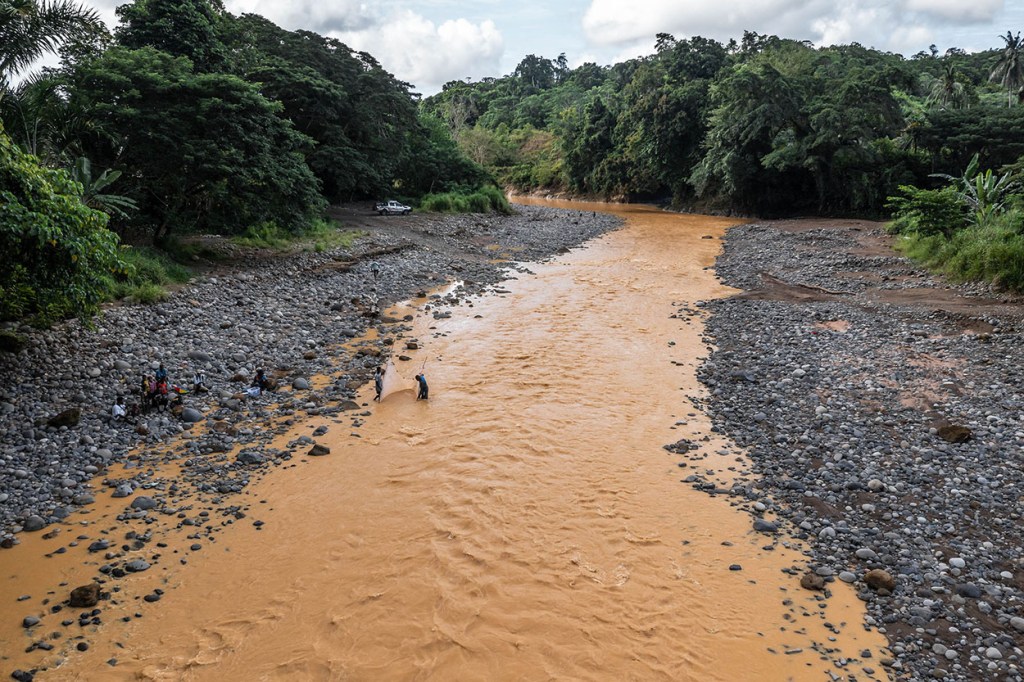
Cultural impacts were also documented, including disturbance of customary land, erosion of traditional authority structures, and reduced intergenerational knowledge transfer. Parallel to the social work, ESSI conducted a comprehensive environmental impact assessment across six sub-catchments of the Metapona River system, including the Tailings Storage Facility (TSF), covering approximately 206.5 km². Thirteen key sampling sites were assessed for water quality, sediment contamination, heavy metals, and aquatic ecology. Results showed extremely elevated turbidity and total suspended solids in tributaries draining from the Charivunga–Chovohio sub-catchments, with some sites recording turbidity more than 90 times above guideline limits.
Dissolved arsenic exceeded WHO drinking water guidelines at TSF sites and along the Metapona River near Kemami village. Sediment analyses revealed arsenic concentrations above ANZECC Upper Guideline Values in multiple locations, particularly at TSF (West end), Mavarakama, and Chovohio, indicating elevated ecological risk. Contamination Factor and Pollution Index comparisons with 2016 baseline data confirmed increased arsenic pollution in several sites.
Together, ESSI’s consultancy delivered an integrated evidence base demonstrating strong alignment between community perceptions of environmental harm and measured ecological degradation. The combined outcomes provide the Central Guadalcanal Constituency with scientifically grounded and socially validated data to support strengthened environmental safeguards, regulatory enforcement, and improved accountability in the ongoing management of Gold Ridge Mine.
 ecosol-si.com